
How To Turn Crochet
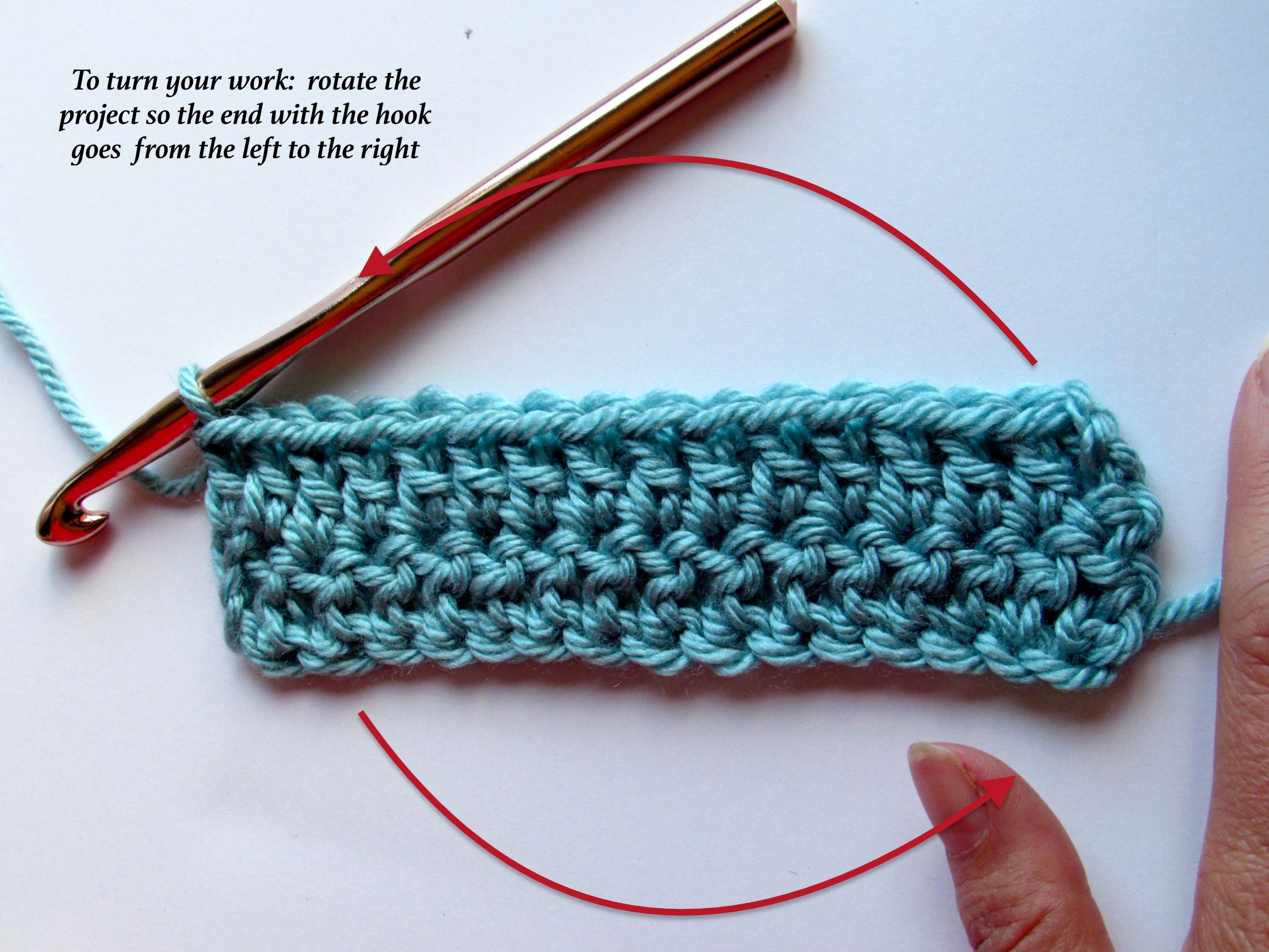
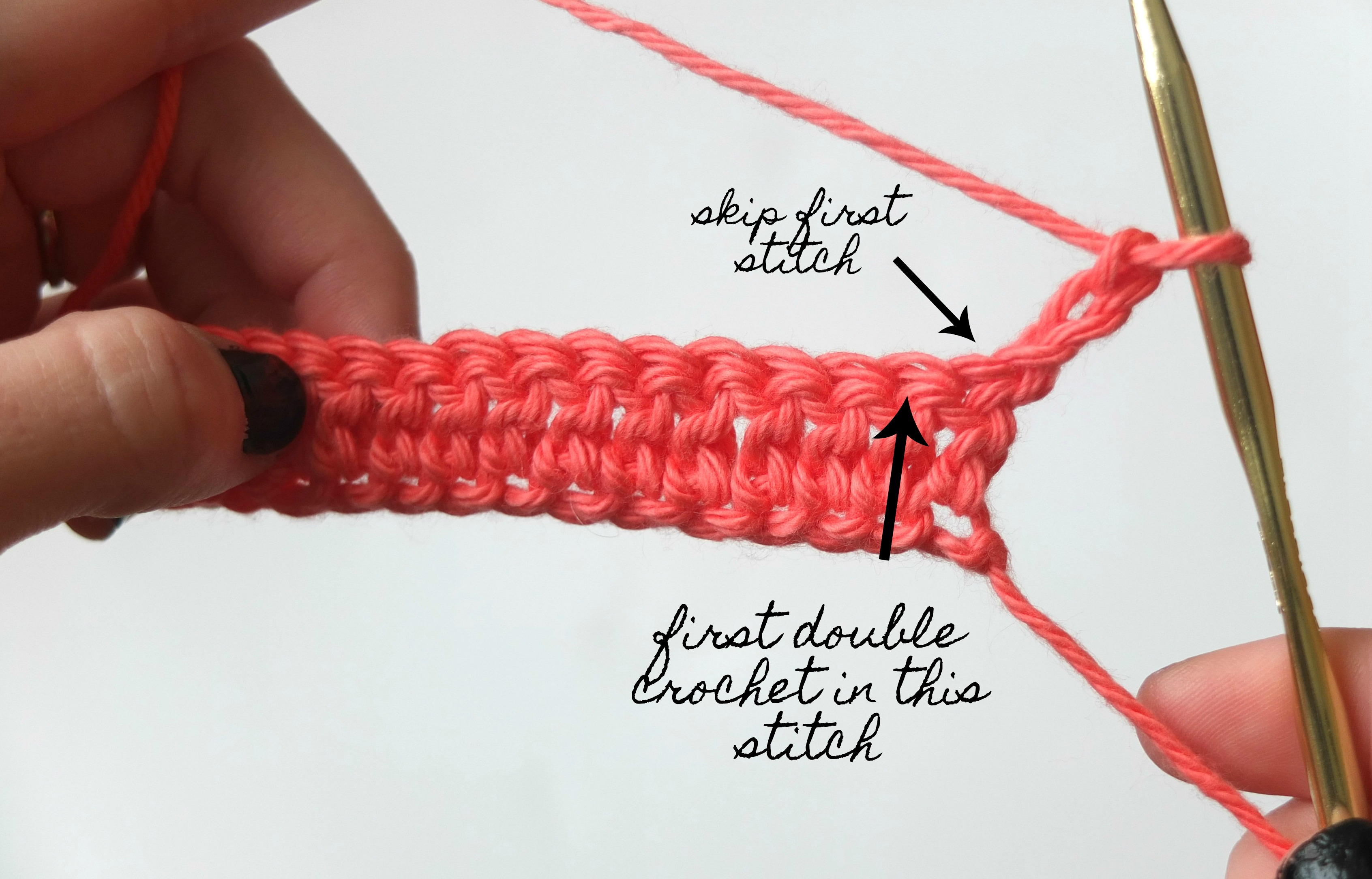
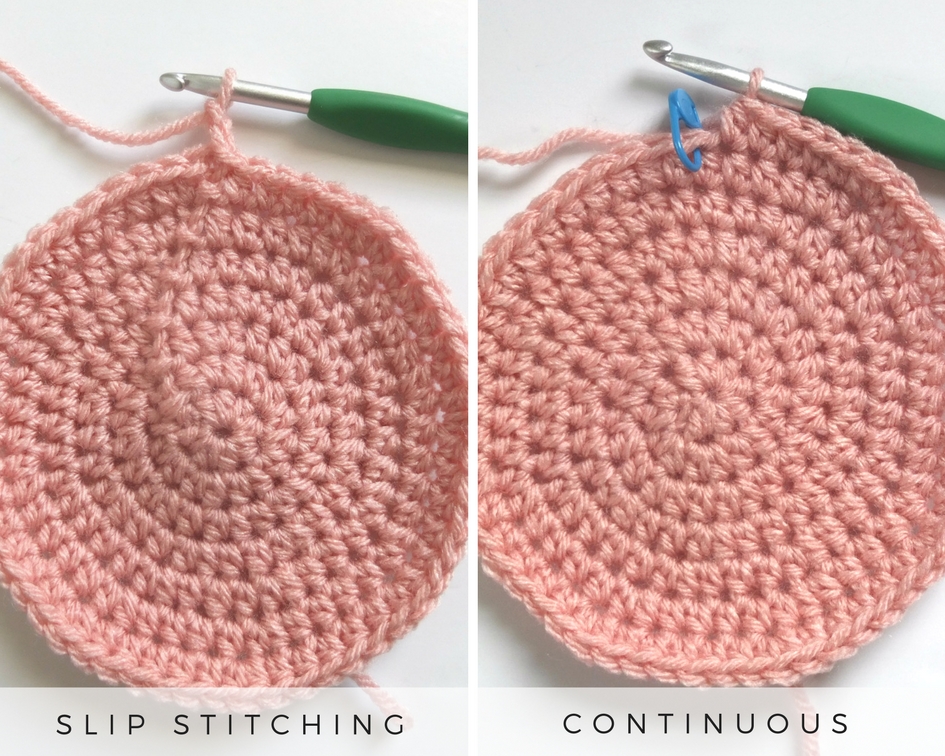
How To Turn Crochet - Holding the yarn from the free end, wrap it around your finger — going under then. To turn your work, simply rotate the piece 180 degrees clockwise. Web for instance american crochet: If you have a long row, it can help to use stitch markers, which are little tools that you place every. Then make a chain of the number of crochet stitches required as the turning chain. Web turn granny squares into the cutest pouches with me! The benefit to joining and turning is that you get the texture of crochet rows, but you’re able to work them in the round. We'll show you how to make a turning chain and how many chains. Web when working on a flat crochet project, you will need to turn your chain when you get to the end of the row. The more you turn, the neater your turns will become. Web when your pattern says to join and turn it might seem confusing at first. I like to keep my hook in the stitch as i turn the work so that i don’t lose my place. Web many crochet patterns require a turning chain to help keep your edges super neat and straight. The benefit to joining and turning is that you get the texture of crochet rows, but you’re able to work them in the round. For example, for double crochet stitches, a turning chain of three is usually used. There are exceptions because crocheting is flexible, plus some yarn is made using a z twist. Lay the yarn over your left index finger. To turn your work, simply rotate the piece 180 degrees clockwise. To do this, you’ll work into the stitches of the previous row. Ostart 22pcs mixed aluminum handle crochet hook set: Really, this is just another way to work in the round. Web many crochet patterns require a turning chain to help keep your edges super neat and straight. Web turn the work. Then make a chain of the number of crochet stitches required as the turning chain. I like to keep my hook in the stitch as i turn the. By using the correct chain amount you can make a turn for any stitch in your work. Flip the crochet project forward to the left and just in a easy move you have turned your crochet project and are ready for the next row. This video shows you how to chain 1 (ch 1) and turn, which is th. For. For example, for double crochet stitches, a turning chain of three is usually used. Here are some helpful tips on turning in crochet and fastening off your work. Web does it matter which way you turn when starting a new row in crochet? Web after the first row of single crochet, you can turn your work and start another row.. Web for single crochet, it’s typically one chain; Web after the first row of single crochet, you can turn your work and start another row. Web understanding how to turn in crochet and how to fasten off in crochet will help make your time crocheting more efficient, and result in a project that looks professional and consistent. Simply rotate your. If you have a long row, it can help to use stitch markers, which are little tools that you place every. To do this, you’ll work into the stitches of the previous row. Web for instance american crochet: The yarn plies stay wound together better. Web for single crochet, it’s typically one chain; Web when your pattern says to join and turn it might seem confusing at first. Really, this is just another way to work in the round. Most often when we crochet in the round, we continue in the same direction. There are no shortcuts here, folks! This helps maintain the height and alignment of your stitches. Finally, give your project a little shake once in a while. Web make a slip knot. Before you can turn in crochet, you need to chain a row of stitches according to the pattern you're working with. Web to add additional rows, add your turning chain, turn the work and repeat single crochet stitches across the row. Web top rated. By using the correct chain amount you can make a turn for any stitch in your work. If you have a long row, it can help to use stitch markers, which are little tools that you place every. When you work the first row, make sure that you count the number of single crochet stitches that you make across the. Most often when we crochet in the round, we continue in the same direction. A half double crochet (hdc) requires a chain 2. Here are some helpful tips on turning in crochet and fastening off your work. Web make a slip knot. Web when your pattern says to join and turn it might seem confusing at first. Flip the crochet project forward to the left and just in a easy move you have turned your crochet project and are ready for the next row. For double crochet, it’s three. Web top rated products for every crochet projects: Web in this crochet tutorial, i'll show you how to move up to the next row with a turning chain.. Web when working on a flat crochet project, you will need to turn your chain when you get to the end of the row. When you reach the end, determine the type of stitch you will be using and add the correct number of extra chains to take you up to your next row, such as 1 chain for single crochet or 3 for. The benefit to joining and turning is that you get the texture of crochet rows, but you’re able to work them in the round. Web turn granny squares into the cutest pouches with me! Web understanding how to turn in crochet and how to fasten off in crochet will help make your time crocheting more efficient, and result in a project that looks professional and consistent. Then make a chain of the number of crochet stitches required as the turning chain. This video shows you how to chain 1 (ch 1) and turn, which is th. Web many crochet patterns require a turning chain to help keep your edges super neat and straight. You can hold you hook in whichever way feels natural to you. When you work the first row, make sure that you count the number of single crochet stitches that you make across the row. Here's the real thing to pay attention to!full written tutorial with photos. Flip the crochet project forward to the left and just in a easy move you have turned your crochet project and are ready for the next row. Web after finishing 1 row of single crochet, you are ready to turn your crochet project, notice how the crochet hook are on the same place on both photo and you shouldn’t move it. To do this, you’ll work into the stitches of the previous row. Really, this is just another way to work in the round. Work the second stitch in your pattern.
2 Easy Ways to Turn in Crochet (with Pictures) wikiHow

How to Turn in Crochet 9 Steps (with Pictures) wikiHow
Beginner's Guide 9 MustKnow Steps for Crochet Success!

Learning about turning chains and the height of crochet stitches

How to Turn Your Work in Crochet Beginner Crochet Teach Video 5
How To Crochet Step By Step

How To Turn Rows In Crochet Straight Edges And Maintain Your Stitch
Double Crochet Stitch for Complete Beginners with Step by Step Photos

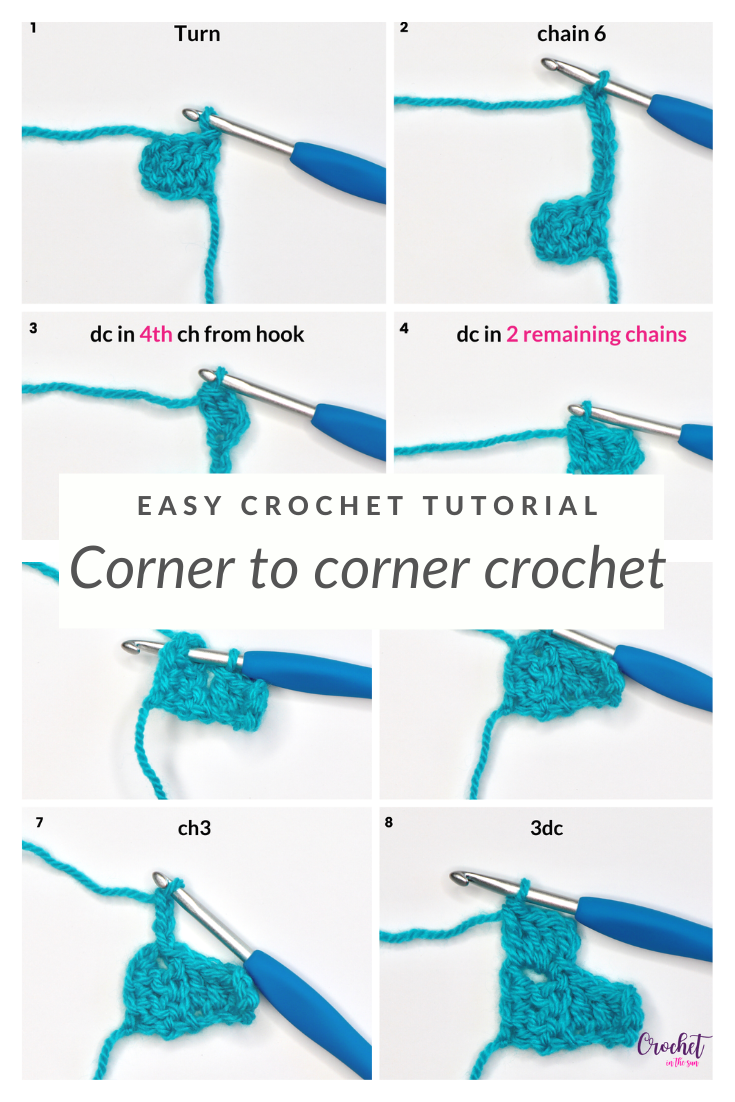
How to corner to corner crochet complete guide for beginners Artofit
How To Turn Your Work In Crochet Cal Learn Chain, Single Crochet
Chain 1 And Turn Your Work Clockwise.
I Like To Keep My Hook In The Stitch As I Turn The Work So That I Don’t Lose My Place.
This Helps Maintain The Height And Alignment Of Your Stitches.
A Single Crochet (Sc) Requires A Chain 1, As Above.
Related Post: